
The Role of Cooling Systems in Blow Molding Efficiency and Quality
Introduction
In blow molding, heating gets most of the attention — but cooling is just as important. Once a preform is blown into its final shape, cooling
solidifies the bottle and locks in its dimensions, clarity, and strength. Poor cooling can slow production, cause defects, and waste energy. At
Link-Tech Machinery, we design efficient cooling systems that not only improve product quality but also shorten cycle times, helping our
customers get more out of every shift.
1. Why Cooling Matters in Blow Molding
Cooling affects both production speed and final product quality:
Faster Cycle Times: Efficient cooling means you can release bottles from the mould sooner.
Dimensional Accuracy: Bottles hold their shape better when cooled evenly.
Clarity & Strength: Rapid, uniform cooling prevents haze and internal stress.
2. How Cooling Works in Blow Molding
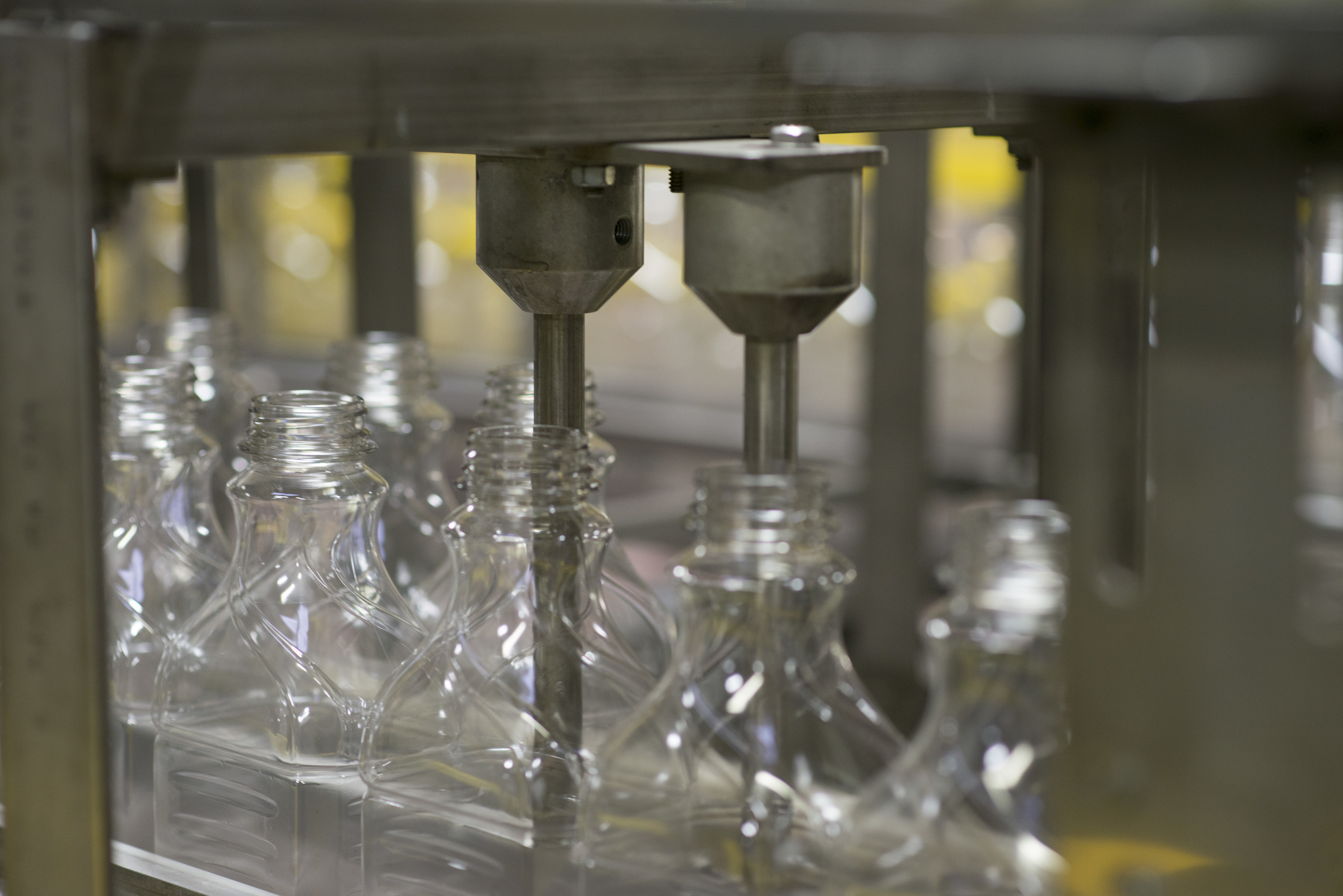
After blowing, the bottle is still hot and soft. Cooling is achieved through:
Mould Cooling Channels: Circulate chilled water to remove heat from the bottle’s surface.
Air Cooling: In some designs, compressed air helps cool the bottle internally.
Ambient Cooling: Bottles continue cooling as they move to packaging, but this has minimal effect compared to mould cooling.
3. Common Problems from Poor Cooling
Warping or Shrinkage: Uneven cooling causes distortion.
Surface Defects: Inconsistent cooling can create visible marks or haze.
Extended Cycle Times: Poor heat removal slows down production.
Stress Cracks: Bottles cooled too slowly may have internal tension.
4. Key Factors in Cooling System Performance
a. Cooling Water Temperature
Optimal water temperature depends on the resin (e.g., PET, PP, PC).
Too warm: Inefficient heat removal.
Too cold: Risk of condensation or thermal shock.
b. Flow Rate and Pressure
Adequate water flow ensures even cooling across the mould surface.
Low flow can create hot spots.
c. Channel Design
Well-placed channels remove heat evenly.
Poor design can cause temperature imbalances.
5. Link-Tech Cooling System Advantages
Optimized Channel Layout: Even heat removal for consistent quality.
High-Efficiency Chillers: Reduce water temperature fluctuations.
Closed-Loop Cooling: Recycles water to reduce waste and costs.
Easy Maintenance: Accessible cooling lines for quick cleaning and descaling.
6. Maintenance Tips for Cooling Systems
Clean Channels Regularly: Remove mineral scale that blocks water flow.
Check Pumps & Filters: Maintain consistent pressure and flow.
Inspect Hoses & Fittings: Prevent leaks that can reduce cooling performance.
Monitor Water Quality: Use treated water to minimize corrosion and deposits.
7. Real-World Example
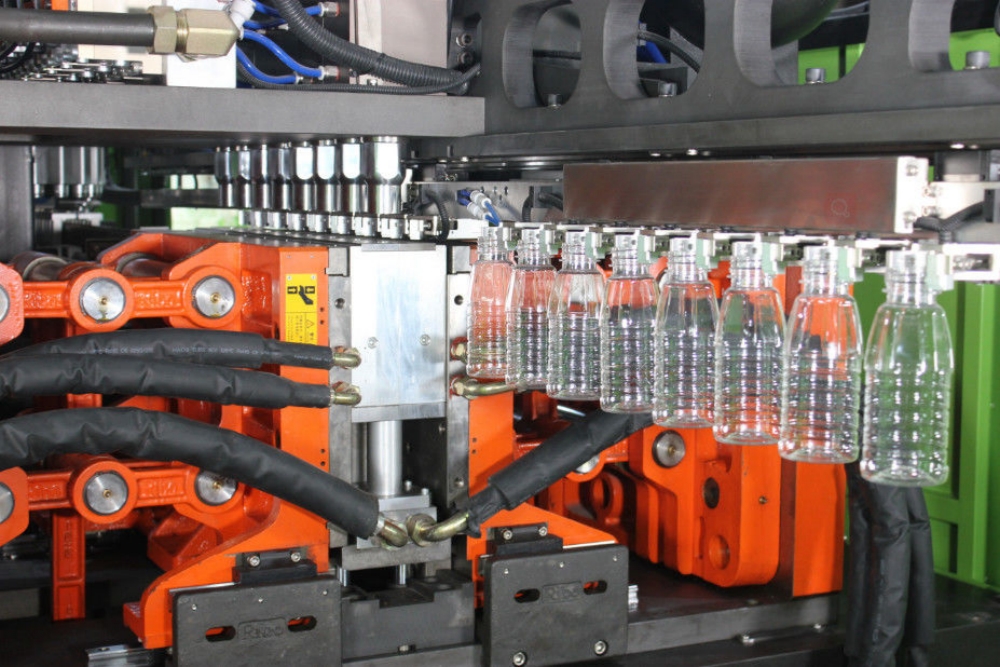
A beverage bottle plant in Southeast Asia reduced cycle times by 12% after switching to a Link-Tech machine with an upgraded cooling
channel design. The result: higher daily output without increasing energy use.
Conclusion
Cooling is not just the final step in blow molding — it’s a critical factor in efficiency, quality, and profitability. By optimizing water temperature, flow, and channel design, you can produce stronger, clearer bottles faster.
At Link-Tech Machinery, we integrate advanced cooling systems into every machine, helping our customers achieve faster cycles, better
quality, and lower costs. If you want to improve your cooling performance, contact us today.
站底
Name*
*Country*
*Tel/Whatsapp*
*Email*
*Message*
*Verification code


