

What is the difference between PET bottle, PP bottle, PE bottle and PS bottle?
All walks of life need plastic bottle packaging. As consumers, whether it is plastic bottles for food packaging or plastic bottles for daily use packaging, their bottle bodies are printed with PET, PP, PE, which represent the packaging materials of plastic bottles. What are the specific meanings of these signs? What are their specific uses? What should consumers pay attention to when seeing these signs?
The name of PET is polyethylene terephthalic acid plastic. The raw material of PET plastic is milky white or light yellow and highly crystalline. PET has good optical properties and weather resistance, non-toxic and good stability, but it is not resistant to hot water immersion and alkali. PET bottle packaging is applicable to food, medicine, cosmetics and other industrial products packaging. It is easy to identify PET bottles. Use a lighter to touch the bottle. If it emits a comfortable smell, it is PET bottles. If it emits a pungent smell, it is not pure PET bottles.
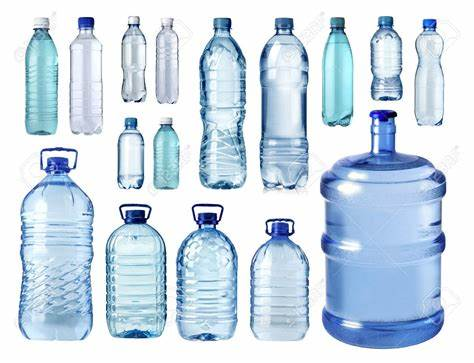
The name of PP is polypropylene, and PP plastic raw material is semi-crystalline. PP material is one of the lighter plastics commonly used. Its electrical performance is excellent. It is used as a high frequency insulation material with resistance to moisture and heat. It is suitable for packaging of automotive industry and daily necessities. In terms of food packaging, PP bottles cannot be used for barrier packaging of carbonated beverages. So consumers should pay attention!
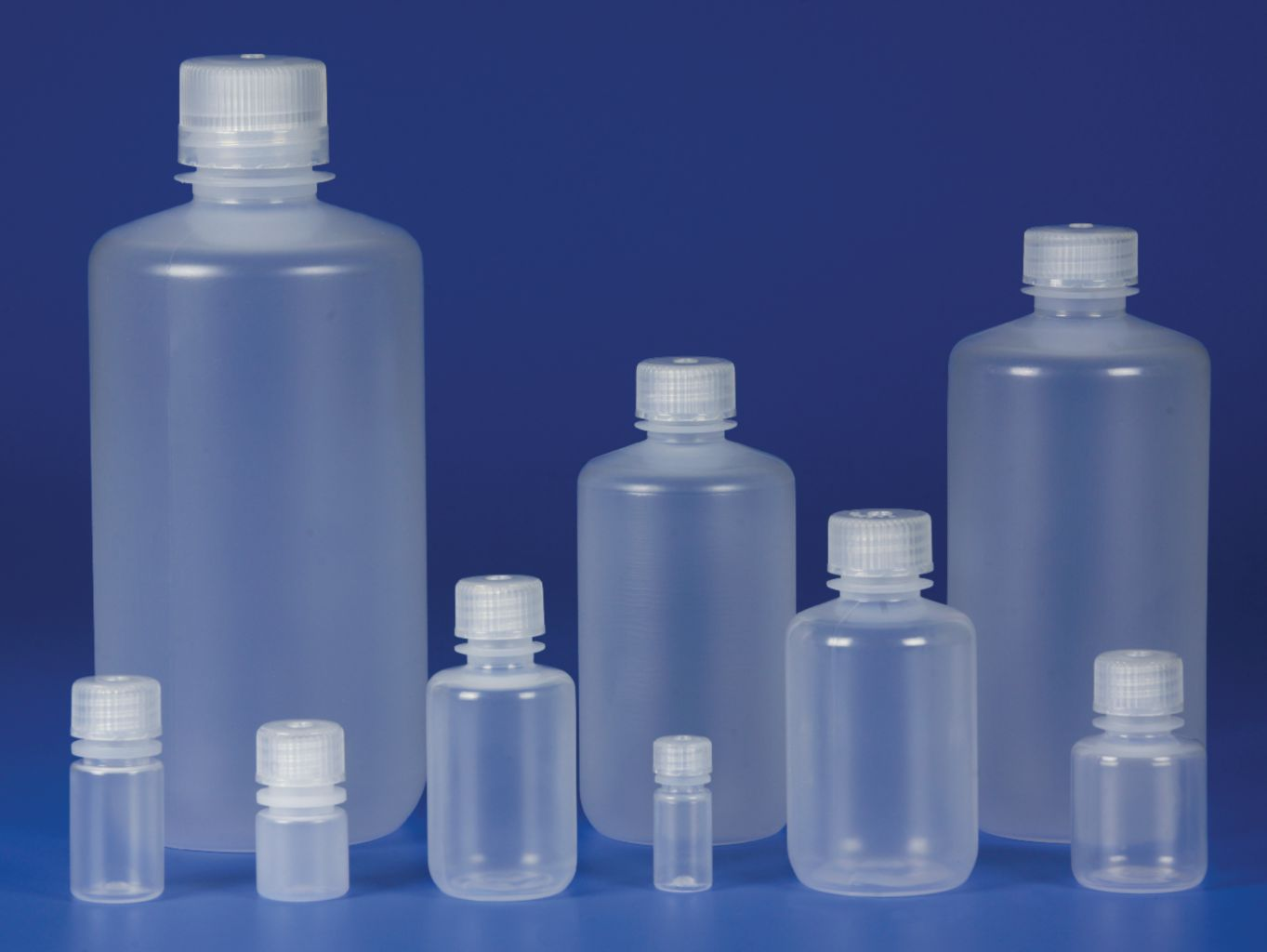
PE bottle
The scientific name of PE is polyethylene, which is the largest synthetic resin in the world and the largest plastic packaging material in consumption. PE material is not only used for food and drug packaging, but also for construction industry because of its small water absorption, insoluble in water, not easy to get wet, and insulation properties.
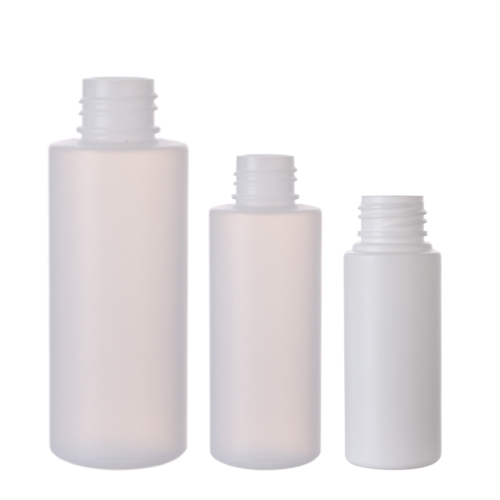
PS bottle
Features: high transparency, surface gloss, application: disposable plastic tableware, comb, box, ball pen holder, children's toys, plastic shopping


站底
اسم*
*دولة*
*هاتف / واتس اب*
*بريد إلكتروني*
*رسالة*
*رمز التحقق