
"How to Choose the Right Bottle Design for Your Brand
Introduction
In today’s packaging-driven market, bottle design plays a crucial role in shaping brand identity, product value, and customer perception.
Whether you’re producing water, juice, cosmetics, pharmaceuticals, household cleaners, or personal care items, the bottle is often the first
thing the consumer sees. A well-designed bottle not only protects your product but also communicates your brand’s personality and makes
your product stand out on the shelf.
As an engineer at Link-Tech Machinery, I work closely with clients worldwide to translate their branding ideas into practical, manufacturable
bottle designs. In this article, I’ll explain how to choose the right bottle design for your brand and how thoughtful engineering can turn a
simple container into a powerful marketing tool.
1. Start With Your Brand Vision and Market Positioning
Bottle design should always reflect your brand’s message.
Ask yourself:
Are you targeting premium or budget-conscious customers?
Should your design feel simple, luxurious, sporty, or natural?
Will your product sit on supermarket shelves, pharmacies, or beauty stores?
For example:
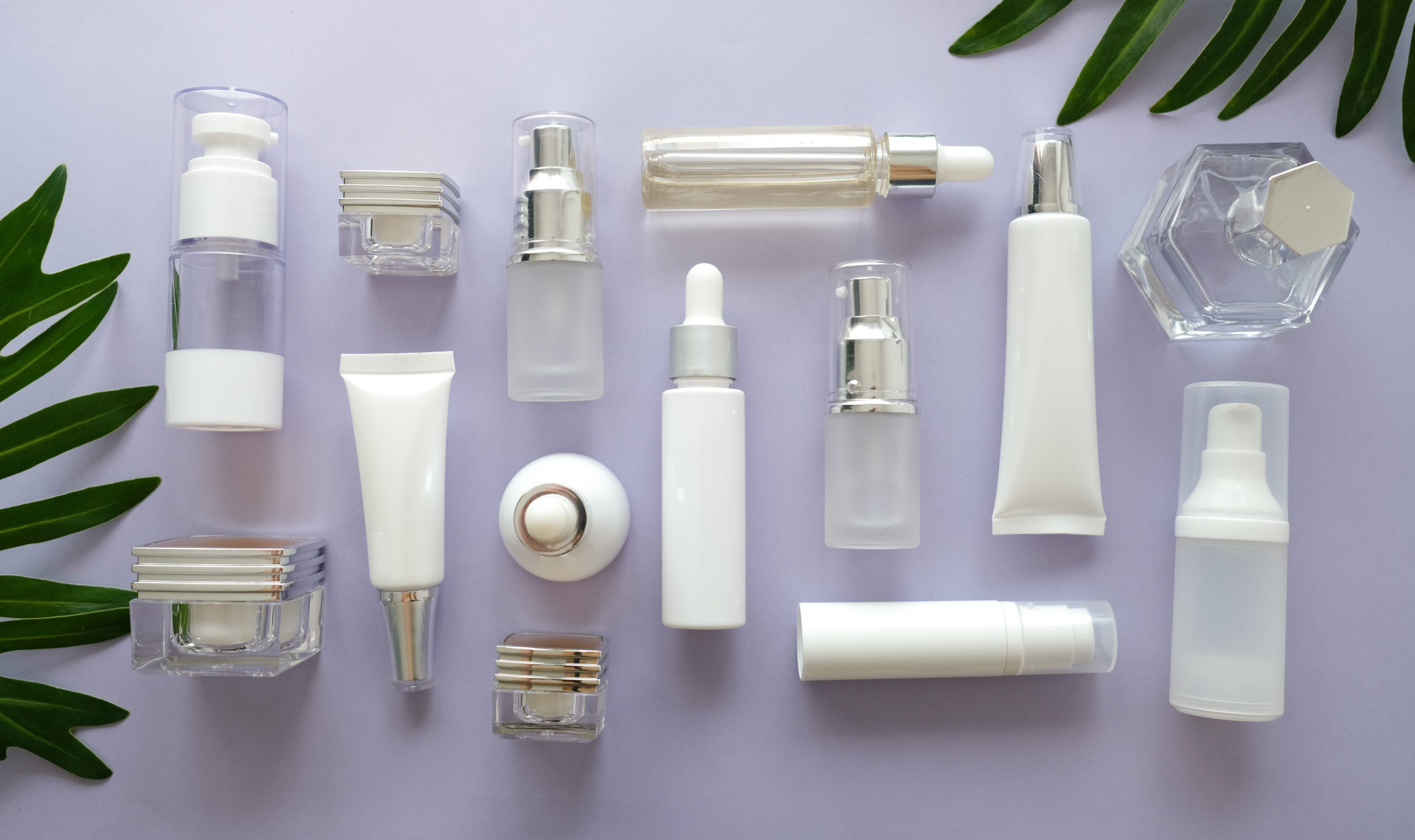
A cosmetics brand may need a sleek, elegant bottle with soft curves.
A sports water bottle may require a strong, ergonomic grip.
A pharmaceutical product may demand a precise, medical-grade look.
Every design decision — shape, color, texture — should support your brand’s story.
2. Understand the Functional Requirements of Your Product
Bottle design must work for your production, filling, transportation, and end use.
Consider these functional factors:
Volume: 250ml, 500ml, 1L, or special sizes
Material: PET, PP, PC, PETG, PCTG, Tritan
Neck Finish: Screw cap, flip-top, trigger sprayer, pump head
Wall Thickness: Strength for stacking, squeezing, or hot filling
Base Structure: For pressure resistance or vacuum stability
Different industries have different functional needs:
Industry | Key Design Needs |
Water/Soft Drinks | Lightweight, strong base for pressure |
Cosmetics | High clarity, premium shapes |
Pharmaceuticals | Precise neck finish and high hygiene |
Household Chemicals | Ergonomic grip and strong walls |
At Link-Tech, we help customers balance aesthetics with functional performance to ensure manufacturable designs.
3. Choose the Right Material for Your Bottle Design
Material selection affects bottle appearance, strength, weight, and cost.
Common options:
PET – Clear, lightweight, ideal for beverages and cosmetics
PP – Suitable for hot-fill or squeezable containers
PC – Strong and durable, ideal for 5-gallon bottles
Tritan/PCTG – Premium clarity for reusable or baby bottles
PETG – Ideal for thick-walled cosmetic bottles
The material you choose will influence:
Design possibilities
Required wall thickness
Mould structure
Heating and blowing parameters
If you’re unsure, we help evaluate the best material based on your target market.
4. Focus on Shape and Ergonomic Design
Bottle shape determines how your product feels in the customer’s hand.
Consider ergonomic elements:
Rounded shapes for comfort
Grips and indentations for better handling
Narrow waists for easy squeezing
Wide mouths for powders or tablets
Ergonomics can greatly improve user satisfaction — especially for daily-use products like shampoo, lotion, or water bottles.
5. Think About Shelf Impact and Visual Appeal
Your bottle must stand out on a crowded shelf.
Key visual factors:
Transparency vs. Color: Clear for purity; tinted for branding
Curves and Lines: Communicate personality and style
Texture: Matte, glossy, or engraved patterns
Label Panel: Should be flat and stable for perfect labeling
Unique Shapes: To differentiate from competitors
A good bottle design is instantly recognizable — even from a distance.
6. Ensure Your Bottle Design Is Manufacturable
A beautiful design is meaningless if it cannot be produced efficiently.
Manufacturing considerations:
Stretching ratio for PET
Proper wall thickness distribution
Feasible mould release angles
Adequate venting points
Consistent base and neck geometry
When customers bring us unique designs, our engineering team optimizes the shape to ensure stable blow molding performance.

7. Balance Design With Production Cost
Design choices affect cost — sometimes dramatically.
To keep costs low:
Avoid overly complex shapes
Use lightweight preforms where possible
Maintain standard neck finishes
Minimize sharp angles or thick walls
Use efficient mould designs
We often help customers reduce cost by adjusting design without sacrificing appearance.
8. Test and Refine Your Bottle Design Before Mass Production
Every new design should go through testing to validate:
Top-load strength
Wall thickness uniformity
Drop resistance
Pressure performance
Label panel flatness
Compatibility with filling and capping lines
We offer trial production and design revision support to ensure every bottle meets your expectations.
Conclusion
Choosing the right bottle design is both an art and a science. It requires a deep understanding of branding, functionality, material behavior,
blow molding capabilities, and cost considerations. A great bottle design helps your product stand out, improves customer experience, and
strengthens your brand identity.
At Link-Tech Machinery, we support customers from the initial design concept all the way to mass production. With our mould expertise,
engineering experience, and advanced blow molding equipment, we help brands around the world bring their bottle ideas to life.
If you’re planning a new bottle project or want to improve your existing design, contact our engineering team today — we’ll help you create a bottle that looks great, performs well, and enhances your brand.


